
How to Start a Trucking Business in the Philippines: Complete Guide for Entrepreneurs
The trucking business in the Philippines remains one of the most profitable opportunities in the logistics and transportation industry. As e-commerce, construction, manufacturing, agriculture, and retail sectors continue to expand, the demand for reliable cargo transportation services also grows. Every day, thousands of businesses require trucks to deliver raw materials, finished products, equipment, groceries, appliances, and construction supplies across the country.
If you’re looking for a business with long-term earning potential, starting a trucking business could be a smart investment. While it requires substantial capital compared to smaller businesses, it also offers consistent demand, recurring clients, and expansion opportunities.
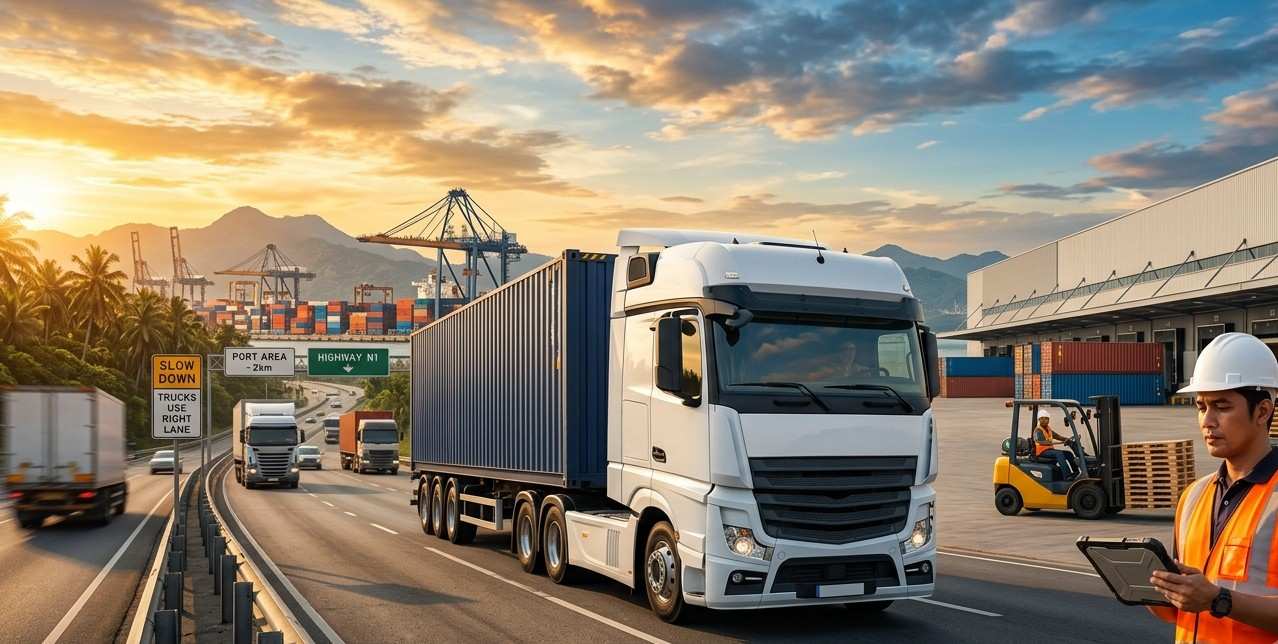
In this guide, you’ll learn everything you need to know about starting a trucking business in the Philippines—from the required permits and startup costs to choosing the right trucks, finding clients, and maximizing profits.
Why Start a Trucking Business in the Philippines?
The Philippine logistics industry has experienced significant growth over the past decade. Online shopping platforms, infrastructure projects, supermarkets, factories, and import-export businesses all rely heavily on trucking services.
Here are several reasons why many entrepreneurs invest in trucking:
- Growing demand from e-commerce businesses
- Increasing infrastructure projects nationwide
- Expansion of manufacturing and industrial zones
- Steady need for cargo delivery services
- Opportunities for long-term contracts with companies
- Scalable business model by adding more trucks over time
Unlike seasonal businesses, freight transportation is needed throughout the year, making trucking one of the more stable industries in the country.
Types of Trucking Businesses
Before investing, decide which trucking niche best fits your budget and market.
1. General Cargo Transport
This is the most common trucking business. It involves transporting boxes, consumer goods, appliances, furniture, and packaged products.
2. Construction Hauling
Construction companies require dump trucks and heavy-duty vehicles to transport sand, gravel, cement, steel, and equipment.
3. Refrigerated Trucking
Refrigerated vans are used for transporting meat, seafood, vegetables, dairy products, and pharmaceuticals.
4. Container Trucking
Container trucks move imported and exported goods between ports, warehouses, and distribution centers.
5. Fuel and Chemical Transport
This specialized niche requires additional permits and safety compliance but generally offers higher income.
How Much Capital Do You Need?
The startup capital depends on whether you purchase brand-new or second-hand trucks.
| Startup Expense | Estimated Cost (PHP) |
|---|---|
| Used Light Truck | ₱700,000 – ₱1,500,000 |
| Brand-New Light Truck | ₱1,700,000 – ₱3,200,000 |
| Heavy-Duty Truck / Tractor Head | ₱3,500,000 – ₱8,500,000+ |
| Business Registration & Permits | ₱10,000 – ₱50,000 |
| Commercial Vehicle Insurance | ₱40,000 – ₱150,000 per year |
| Initial Maintenance Fund | ₱100,000 – ₱300,000 |
| Fuel Budget (Initial Working Capital) | ₱100,000 – ₱500,000+ |
| Driver & Helper Salaries (1 Month) | ₱40,000 – ₱80,000 |
| Office Equipment & Operations | ₱30,000 – ₱150,000 |
Many entrepreneurs start with a single truck before gradually expanding their fleet using business profits.
Business Registration Requirements
Operating legally is essential to attract corporate clients and avoid penalties.
You may need the following:
- DTI Registration (for sole proprietorship)
- SEC Registration (for corporations)
- BIR Registration
- Mayor’s Permit
- Barangay Clearance
- Vehicle Registration (LTO)
- Commercial Vehicle Insurance
- Other permits depending on cargo type
Corporate clients usually prefer dealing with registered trucking companies because they can issue official receipts and invoices.
Choosing the Right Truck
Your truck is your primary business asset. Choosing the wrong vehicle can increase maintenance costs and reduce profitability.
Consider the following factors:
- Payload capacity
- Fuel efficiency
- Availability of spare parts
- Maintenance costs
- Brand reputation
- Warranty coverage
- Resale value
Many successful trucking companies prioritize reliability over appearance. A dependable truck that minimizes downtime often generates better returns than a newer model with higher financing costs.
Finding Your First Clients
One of the biggest challenges is securing consistent customers.
Potential clients include:
- Manufacturing companies
- Construction contractors
- Retail chains
- Importers and exporters
- Wholesalers
- Hardware suppliers
- Agricultural businesses
- Furniture companies
- Food distributors
- E-commerce warehouses
Networking is extremely important in the trucking industry. Building relationships with warehouse managers, logistics supervisors, purchasing officers, and freight brokers can lead to long-term contracts.
Operating Costs to Consider
Your profit doesn’t only depend on the amount charged per trip.
You must carefully monitor expenses such as:
- Fuel
- Driver salaries
- Helper wages
- Vehicle maintenance
- Tires
- Insurance
- Registration renewal
- Tolls
- Parking fees
- Unexpected repairs
Preventive maintenance can significantly reduce expensive breakdowns and minimize downtime.
How Much Can a Trucking Business Earn?
Income varies depending on:
- Distance traveled
- Truck size
- Cargo type
- Fuel prices
- Number of completed trips
- Contract agreements
Businesses with long-term corporate contracts generally enjoy more stable revenue than those relying solely on one-time bookings.
Many successful operators increase profitability by maximizing truck utilization and minimizing empty return trips.
Technology Can Improve Efficiency
Modern trucking businesses increasingly rely on technology to reduce costs and improve customer service.
Useful tools include:
- GPS fleet tracking
- Fuel monitoring systems
- Vehicle maintenance software
- Accounting software
- Electronic proof of delivery (ePOD)
- Inventory management integration
- Cloud-based dispatch systems
These technologies provide real-time visibility and help improve operational efficiency while reducing unnecessary expenses.
Common Challenges
Like any business, trucking also comes with risks.
- Rising fuel prices
- Traffic congestion
- Driver shortages
- Vehicle breakdowns
- Accidents
- Weather disruptions
- Increasing maintenance costs
- Competition from larger logistics companies
Maintaining an emergency fund and regularly servicing your vehicles can help your business remain resilient during unexpected situations.
Tips for Long-Term Success
Many trucking businesses fail not because of a lack of customers, but because of poor financial management.
To build a sustainable business:
- Focus on excellent customer service.
- Deliver shipments on time.
- Maintain accurate financial records.
- Invest in preventive maintenance.
- Train drivers regularly.
- Purchase comprehensive insurance.
- Build relationships with repeat clients.
- Expand your fleet gradually.
- Monitor fuel consumption closely.
- Adopt modern logistics technology.
Consistency, reliability, and professionalism are often more important than having the largest fleet.
Should You Buy or Finance a Truck?
Many first-time entrepreneurs wonder whether it’s better to purchase a truck outright or finance it through a loan. Buying in cash eliminates monthly loan payments and interest expenses, but it requires significant capital. Financing, on the other hand, allows you to preserve cash for operations such as fuel, maintenance, and payroll.
Before taking out a commercial vehicle loan, prepare a realistic cash flow projection. Consider monthly amortization, insurance premiums, preventive maintenance, and possible periods when the truck may not be generating income. A financed truck can be a worthwhile investment if your projected revenue comfortably exceeds your operating costs and loan obligations.
Growing Your Trucking Company
Once your first truck consistently generates income, you can begin expanding your operations. Growth should be gradual and supported by stable contracts rather than speculation.
Ways to expand include:
- Add additional trucks to your fleet.
- Offer warehousing and storage services.
- Provide last-mile delivery solutions.
- Invest in specialized vehicles such as refrigerated or tanker trucks.
- Partner with freight forwarders and logistics companies.
- Expand service coverage to neighboring provinces and regions.
Diversifying your services can reduce dependence on a single market segment and create multiple revenue streams.
The trucking business in the Philippines offers tremendous opportunities for entrepreneurs willing to invest in quality equipment, excellent customer service, and efficient operations. Although startup costs are relatively high, the industry’s continuous demand makes it an attractive long-term business venture.
Success depends on more than simply owning trucks. It requires proper financial planning, legal compliance, disciplined maintenance, dependable drivers, and strong relationships with clients. By starting with a solid business plan and focusing on operational excellence, you can build a trucking company that grows steadily and serves the country’s expanding logistics needs for many years to come.

- 10 Bakery Business Name Ideas to Inspire Your Brand - October 19, 2026
- How Much Can You Borrow? A Guide for Business Owners - October 13, 2026
- Payroll Software Philippines: Complete Guide for Businesses - September 9, 2026