
Should You Use Just One E-Wallet for Most Transactions? 10 Insights
The rise of digital wallets in the Philippines has made cashless transactions more convenient than ever. Consumers now have multiple digital e-wallet options, including one offered by fintech brand Maya, that they can use to quickly and easily complete everyday transactions. Perhaps you have experienced the convenience of using one, and you’re wondering if you should add another to your arsenal of financial tools. You may also be able to open more e-wallet accounts but still hesitant because you’re already using one with convenient features.
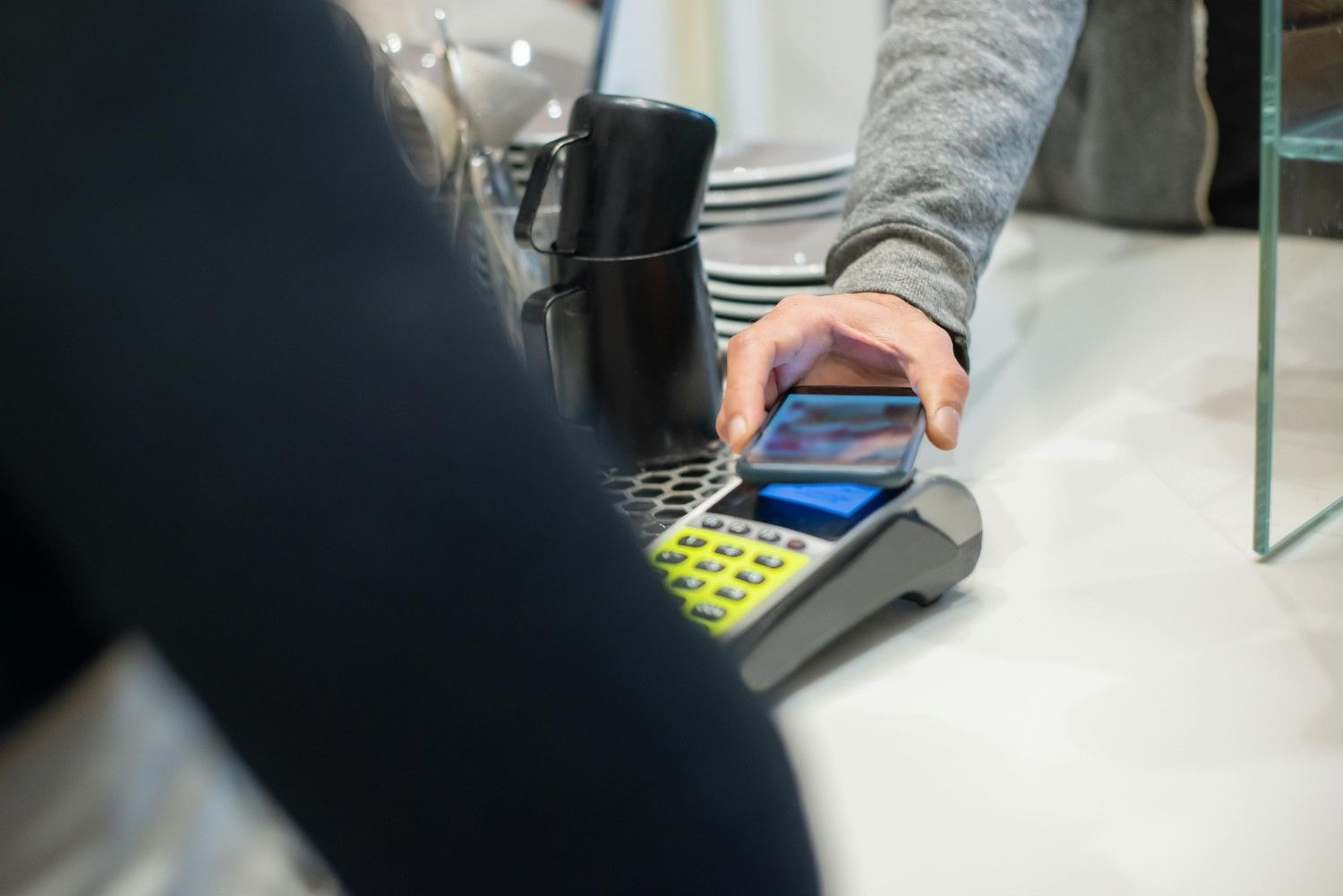
While using a single e-wallet can offer simplicity, it’s important to evaluate whether it truly meets all your needs. Here are 10 key insights to help you decide if relying on one e-wallet is the right move.
Merchant Acceptance
The first thing to consider if you need to open a new digital wallet account is whether your preferred e-wallet is widely accepted by the merchants, restaurants, online stores, and service providers you frequently use. Some e-wallets have extensive partnerships with various businesses—like Maya, for example, which has millions of partner merchants throughout the country; meanwhile, others may be limited to specific sectors. If your chosen e-wallet isn’t accepted in many places, you may find yourself needing an alternative payment method down the road.
Transaction Fees
Different e-wallets come with varying transaction fees for cash-ins, withdrawals, bank transfers, and payments. Some may charge higher fees for specific services, such as sending money to another bank or withdrawing cash from an ATM. If your e-wallet has high fees for the transactions you frequently make, it might be more cost-effective to have a secondary option so you can keep the cost of sending money as low as possible.
Rewards and Cashback
Loyalty programs, cashback offers, and discounts can be a major advantage of using e-wallets. Some platforms provide more attractive perks than others, depending on where you shop and what you spend on. If you rely on just one e-wallet, you may miss out on better rewards offered by competitors. At the same time, consider whether or not the rewards offered by other e-wallets will truly benefit you.
Security and Fraud Protection
Security should be a top priority when choosing an e-wallet. When choosing digital wallets to add to your list of options, look for features such as multi-factor authentication, biometric login, and fraud protection policies. If your preferred e-wallet doesn’t have these, relying on it exclusively may increase your risk of financial loss in case of fraud or cyberattacks. As such, make it a point to use a primary wallet with strong security features.
Ease of Cash-In and Withdrawal
Adding funds to your e-wallet should be an easy and convenient activity. The good news is that some wallets allow seamless cash-ins via bank transfers, over-the-counter deposits, and mobile load conversions. Still, there are others that present limited options. Additionally, if you need to withdraw cash, check whether your e-wallet supports direct ATM withdrawals or fund transfers to your bank at minimal .
Transaction Limits
Most e-wallets impose daily and monthly transaction limits, which can affect how much you can spend or transfer. If your financial activities exceed these limits, it might not be a good idea to rely on a single e-wallet. As much as possible, choose a digital wallet that can accommodate your needs without frequent disruptions.
Bill Payment and Government Services
Have you ever found yourself waiting in line just to pay for a single bill? One of the biggest advantages of e-wallets is the ability to pay bills, government fees, and other essential expenses conveniently. However, not all e-wallets provide access to the same range of services. Before committing to just one, check whether the one you want to use covers payments for utilities, taxes, and other obligations you regularly settle. This way, you won’t have to rely on different channels just to settle your dues.
Fund Transfer Convenience
Some e-wallets allow free or low-cost transfers to banks and other digital wallets, while others impose high fees. If you frequently transfer funds, it’s crucial that your primary e-wallet can support seamless and affordable transfer options.
Reliability and Downtime Issues
A major downside of relying on one e-wallet is the risk of system downtimes, which can leave you unable to complete transactions when you need to. Some platforms experience more technical issues than others, so check reviews or personal experiences to help you determine whether a particular e-wallet is reliable enough for everyday use.
Customer Support Quality
If you ever run into transaction issues, good customer service can make all the difference. Some e-wallets have responsive and efficient customer support teams, while others have slow response times or limited assistance channels. If your e-wallet lacks reliable support, resolving disputes and retrieving lost funds may become a difficult ordeal.
Using just one e-wallet for most of your transactions can simplify your financial management, but it also has its drawbacks. Evaluating these factors will help you determine whether a single e-wallet is sufficient for your needs or if it’s better to keep multiple options. This way, you can maximize the benefits of digital payments while minimizing potential inconveniences.

- How Much Can You Borrow? A Guide for Business Owners - October 13, 2026
- Payroll Software Philippines: Complete Guide for Businesses - September 9, 2026
- 10 AI Business Ideas in the Philippines for 2027 - September 8, 2026